Agritechnica 2025: An Edea Trend Report
Many long-anticipated developments in agricultural vehicle design are finally becoming reality. Operator cabins are no longer just operator compartments but full-blown platforms—ecosystems of interfaces, data flows, serviceability, and future proofing. While work efficiency and sheer power remain as important as ever, design efforts are increasingly concentrated around adaptability, modularity, connectivity, and operator-system interaction.
Having returned from Agritechnica 2025, held mid-November 2025 in Hannover, Germany, we are ready to share three key shifts in agricultural vehicle design.
1. From cockpit to context-space
The operator cabin has become a holistic workspace. We witnessed machines where cabin volumes are increased, ambient environments (lighting, visibility, ride comfort) are upgraded, and transition modes (field → transport → assisted/autonomous) are anticipated.
At Edea Design, we treat the vehicle interior or cab space as a full experience-environment. We apply our human-centric “Every design is a relationship®” philosophy by mapping the full operator journey—from mounting the machine, through multi-hour work cycles (field work, transport, loading) to maintenance and service breaks. In our industrial design, user interface design, and prototype validations we incorporate factors such as operator fatigue, transition-states (manual to semi-autonomous), adaptable interface modules and environmental comfort as standard deliverables.
2. Modularity, upgradeability and ecosystem thinking
A key theme at this year’s show: machines designed for change—e.g., adaptable bodies, swappable modules, service-friendly access. The official show trend-report for tractors emphasised drive-train alternatives, modular electrification, and flexible architectures.
At Edea Design, we are embedding this modular mindset into our vehicle-design process. We co-design architecture frameworks that anticipate different drive-systems (electric, hydrogen, diesel-hybrid), interface upgrades and evolving service flows. Our workflows support designing for modular sub-units (for example: interaction devices, service-access panels, battery modules) and their reuse across product families. This helps clients deliver machines that stay current longer, reduce lifecycle cost and strengthen brand resilience.
3. Connected UX and data-driven interaction
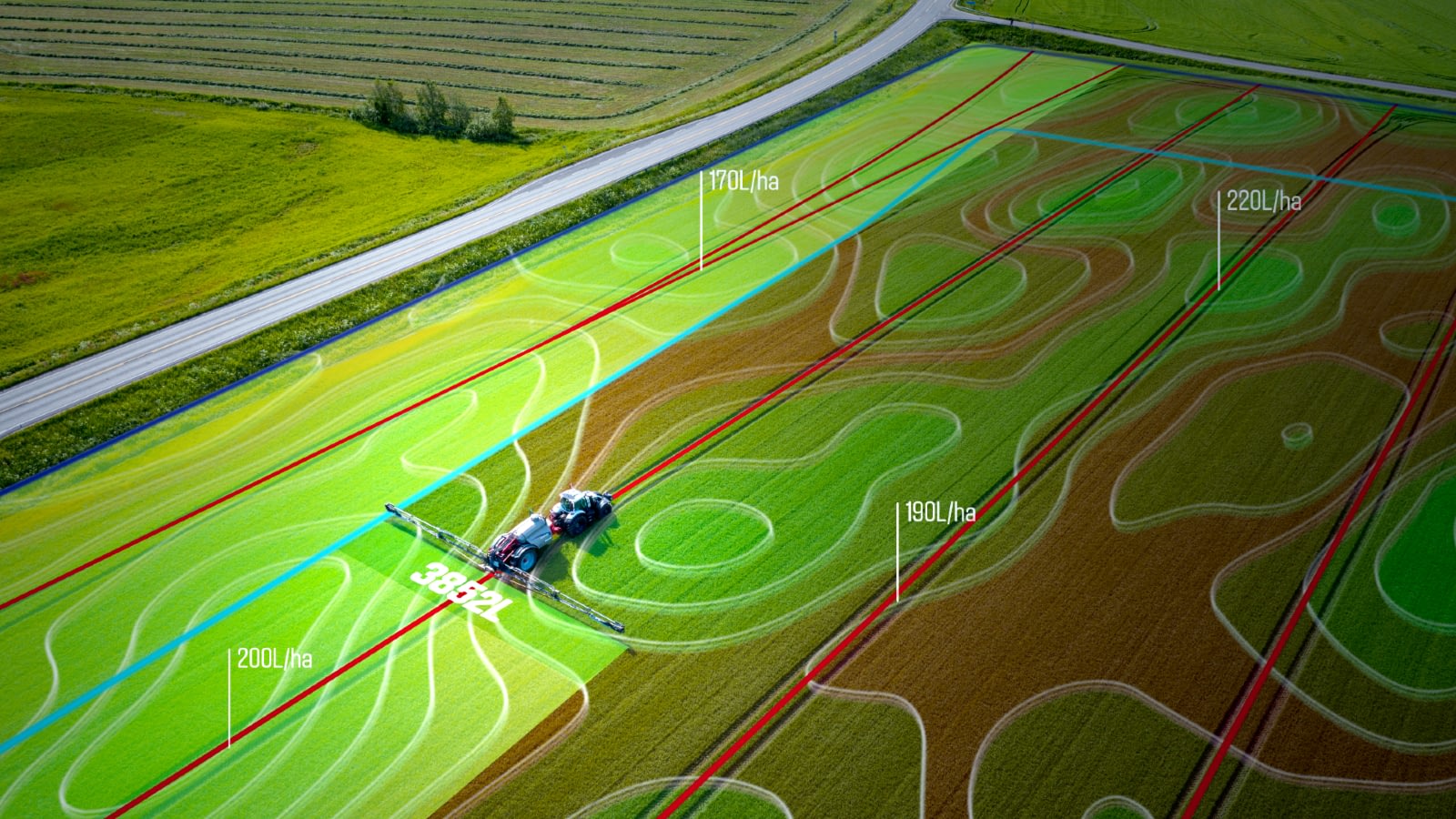
Connectivity and data are no longer optional extras—they are central to the machine concept. At Agritechnica 2025, multiple reports emphasised “automation, improved safety and efficiency including autonomous ready systems” as leading themes.
The shift means that the physical machine must have design that accommodates digital interfaces, multi-role users (operator, technician, fleet manager), and seamless hand-over between manual and assisted modes.
At Edea Design, we have expanded our service-design and UI/UX capability to support this shift. Our design briefs now cover not only the outer shell and the physical controls but the full machine-to-cloud journey: from what the operator sees and touches, to how the data is surfaced, to remote-service workflows and lifetime upgrades. This means that our when we design a cabin or control room environment we explicitly connect the physical and the digital, supporting a future-ready, intuitive machine.
Future outlook
The convergence of electrification (battery, alternative fuels), autonomy and connectivity means that heavy vehicle design will increasingly become a strategic design discipline. The outer styling remains important, but what matters more is how the machine meets the user’s workflow, supports upgrades, how the interface evolves, and how the service lifecycle is addressed.
We see this development opening valuable domain demands: modular architecture design, UX for machine-ecosystems, data-driven service journeys, and sustainability through lifecycle rather than just consumption.
Why this matters for you
If you are a manufacturer or developer of next-generation tractors or heavy machine platforms, the questions you must ask include: How will your operator environment evolve in the next 5–10 years? How modular is your machine architecture for future drive systems or interface updates? How will the machine connect into your data/telemetry ecosystem?
At Edea Design, we stand ready to help you navigate this evolution. With our human-centric approach, full-spectrum design offering (industrial design, user interface design (UI/UX), mechanical design, model-workshop validation) and experience across complex vehicle systems, we help you define and deliver machines and systems that are future-proof, intuitive and meaningful in user-relationship terms.
If you’d like to explore how we can collaborate in designing the next generation machine or system, please do not hesitate to contact us!