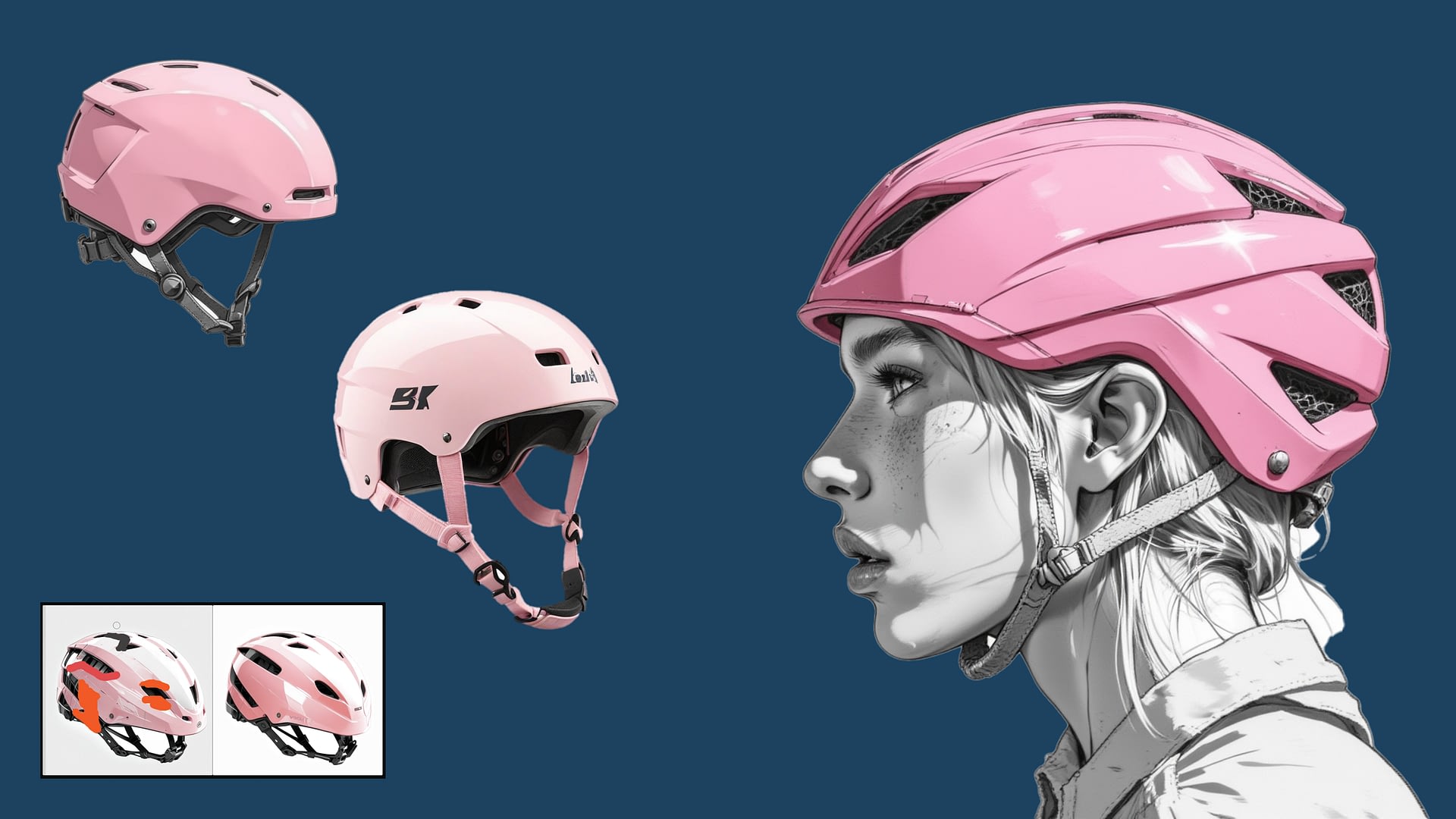
AI replacing the designer—or not
Design has always been a human-centered craft. It demands an understanding of users, clients, and contexts—paired with the ability to translate these insights into viable solutions. In recent years, AI has made significant inroads into the world of design. But can AI truly replace the designer? At Edea Design, our internal development project led us to a clear conclusion: no, it cannot. When used wisely, however, AI can be an extraordinarily powerful assistant.
AI accelerates the process
During our project, we explored a wide range of platforms—OpenAI, Claude, Krea, Vizcom, and more. The results were especially promising in the early phases of the design process, where gathering initial data, constraints, and potentials is critical. Tasks that used to be time-consuming became significantly faster, thanks to AI’s ability to aggregate and structure information from multiple sources simultaneously. This freed our designers to concentrate on what matters most: interpreting insights and turning them into tangible design solutions.
AI’s outputs demand critical scrutiny
At the same time, we found it vital to view AI-generated content with a critical eye. AI systems excel at quickly retrieving and structuring information—but they don’t always assess source credibility. That means verifying and filtering the results remains the designer’s responsibility. Still, the benefit is undeniable: the groundwork phase of the design process has become faster and more comprehensive than ever.
Visual creativity still lags behind
When it comes to visual creation, AI’s strengths fell short. AI was fairly capable of producing mind maps, but generating entirely new, viable concepts was rare. The more unfamiliar the product category, the weaker AI’s ability to produce useful ideas. In the realm of specialized professional equipment, the models offered little added value to the designer. On the other hand, when it came to vehicle design or consumer-product design, AI occasionally surfaced insights a designer could build upon.
Security matters—own-server setup was key
Using confidential client data posed a significant challenge. Even though data anonymization helped, it wasn’t sufficient. That’s why we established our own firewall-protected server, where models were trained and validated using real, simulated project data. This setup ensured both data security and the ability to collaborate closely with clients without risking privacy or reliability.
The best results come from synergy
Through this development effort, we created a suite of tools designed to enhance different stages of the design process—not replace the designer. With AI, designers gain rapid access to trend data, competitive insights, and rich user data—provided the information already exists somewhere. Visual sketching can also gain new direction through AI. Ultimately, though, the final outcomes must still be grounded in the designer’s expertise, experience, and deep understanding of the client’s actual needs.
Key takeaway: human power meets AI efficiency
The most important lesson is clear: AI cannot replace creativity or empathy, which are at the core of design. But when integrated thoughtfully—especially in the early data-gathering and analysis stages—it can be an invaluable assistant. Speed, breadth, and enriched perspectives bring new efficiency to the design process. Yet ultimate responsibility remains with the human who can look beyond surface patterns and craft solutions that truly matter.